Can you do Pilates if you have fibromyalgia?
If you’ve been thinking about starting a wellness routine but aren’t sure whether to sign up for yoga or pilates, you’re not alone. It’s one of the most common questions we hear from new guests here in Cerejeira. Both practices build strength, improve flexibility, and help you feel calmer and more connected to your body — but they get there in very different ways. Here’s a simple breakdown to help you decide which class to try first.
What to expect in this blog
What Is fibromyalgia?
If you live with fibromyalgia, you know how unpredictable it can be. One day you feel reasonably well, the next you are exhausted, aching and unable to think clearly. In this post we look at what fibromyalgia is, why movement matters, and how Pilates might help.

What is fibromyalgia?
Fibromyalgia is a rheumatic condition, and its exact cause is still unknown. What we do know is that it comes with a wide range of symptoms. The best known are fatigue, depression, anxiety, sleep problems, headaches and migraines. Many people also struggle with digestive complaints, such as changing bowel habits and diffuse abdominal pain, and with needing to urinate frequently.
Because the cause is unclear, there is no treatment that targets the root of the problem. Care therefore usually focuses on easing the symptoms (1). The condition is also considerably more common in women than in men (2).
Why movement helps
It may feel counterintuitive to exercise when you are in pain and tired, but research shows that physical activity has a positive effect on fibromyalgia. There is, however, no fixed recipe. Researchers have not found a standard for the ideal intensity, duration or load, which means the right amount of movement differs from person to person. Starting slowly and listening to your body is key.
Many people with fibromyalgia also deal with muscle imbalances, where one side of the body is stronger or tighter than the other, and with postural problems. Exercises that hold the muscles still while they work (so-called isometric movements) can help strengthen these muscles in a controlled and gentle way.
There is another reason to keep moving. Pain in fibromyalgia is closely linked to sleep, mood and activity levels. Better sleep, a brighter mood and regular exercise can all contribute to less pain. It is a positive circle: the more balanced you feel, the easier it becomes to move, and the more you move, the better you may feel.
What is Pilates?
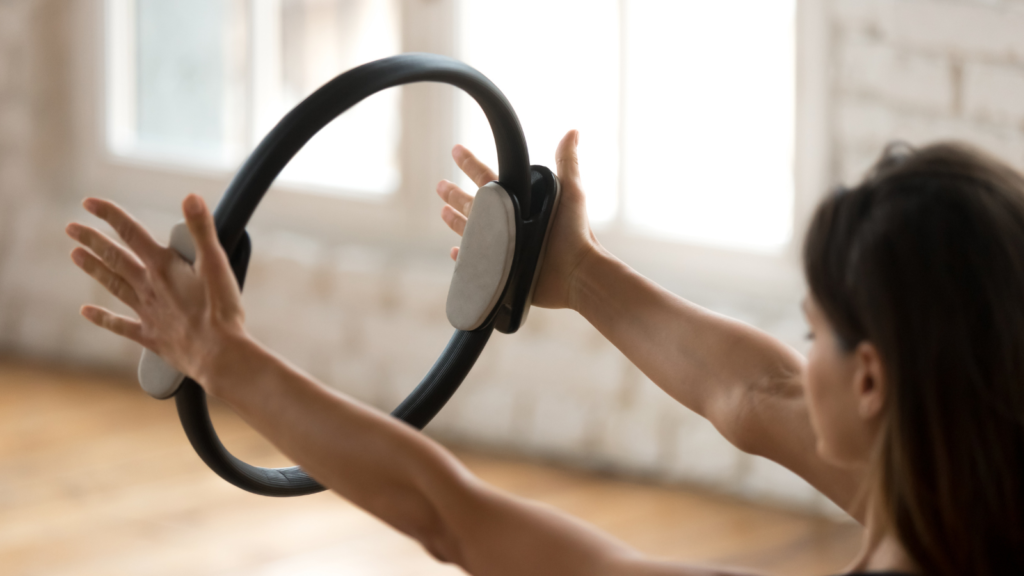
Pilates is a form of exercise that aims to improve flexibility and general health. It puts special emphasis on core strength (the muscles around your trunk), good posture, and coordinating your breathing with your movements (1).
Several studies have shown that Pilates can reduce lower back pain (1), a common complaint among people with fibromyalgia as well.
A moment of calm for body and mind
Pilates is not only about the body. It is also a mind–body exercise. Because you need to concentrate on your movements and control your breathing, your attention is drawn away from daily worries. This helps to lower stress (3). For someone whose symptoms often flare up under tension, this calming effect can be just as valuable as the physical benefits.
Tips for getting started
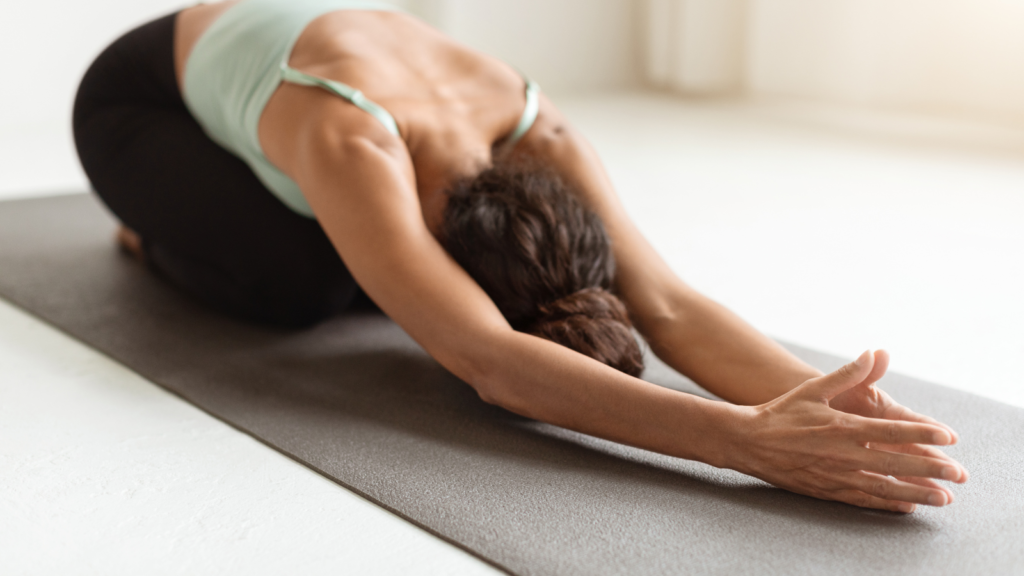
If you would like to try Pilates with fibromyalgia, keep these points in mind:
- Start small. Begin with short sessions and build up gradually (you can do a starters class with me for example)
- Listen to your body. On a difficult day, do less or choose gentle breathing exercises.
- Choose a teacher who understands. Tell your instructor about your condition so exercises can be adapted to you.
- Be patient. Progress may be slow and uneven, and that is completely normal.
Book your trial class for just €7.50
Final thoughts
Fibromyalgia is a complex condition, and there is no single solution that works for everyone. Still, gentle, mindful movement such as Pilates may help you strengthen your body, improve your posture, ease stress and sleep a little better. At our studio, we are happy to help you find a pace that suits you.
Please note: this blog is for general information only and does not replace medical advice. Always consult your doctor or physiotherapist before starting a new exercise programme.
References
- Altan L, Korkmaz N, Bingol Ü, Gunay B. Effect of Pilates Training on People With Fibromyalgia Syndrome: A Pilot Study.
- Bidonde J, Busch AJ, Schachter CL, Webber SC, Musselman KE, Overend TJ, Góes SM, Dal Bello-Haas V, Boden C. Mixed exercise training for adults with fibromyalgia. Cochrane Database of Systematic Reviews. 2019; CD013340.
- Lange P. Updating the principles of the Pilates method, Part 2. Journal of Bodywork and Movement Therapies. 2002; 6(2): 94–101.