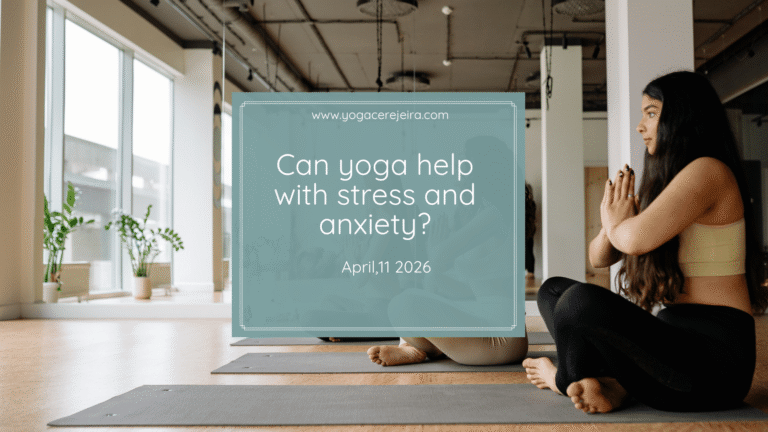
Stress and anxiety have become (unfortunately) a regular part of daily life for many people. Work pressure, constant stimulation, and too few real moments of rest often keep the nervous system in a constant “on” state. Yoga is increasingly used as a way to restore balance in this.
What to expect in this blog
What does yoga do to the body under stress?
When we experience stress, the body automatically switches into a fight-or-flight response. Heart rate and breathing increase, and muscles tense up. Yoga helps to reverse this process.
Through mindful movement combined with breathing exercises, the parasympathetic nervous system is activated — the part responsible for rest and recovery. This allows the body to literally “switch out” of stress mode.
The role of breathing
Breath is a key element of yoga. Many people breathe shallowly when they are tense, which can increase feelings of anxiety. During yoga, breathing becomes slower and deeper.
In every class, I focus on the breath. We practice a dedicated breathing exercise, and throughout the session I continuously guide awareness back to the breath.
Simple breathing techniques can already make a noticeable difference:
A calmer heart rate
Improved focus in the present moment
Reduced overthinking
This can be a good starting exercise, you can do it for a few minutes.
Sit or stand in a comfortable position. Keep your back straight and relax your shoulders.
Inhale slowly through your nose for 4 seconds. Feel your lungs fill with air.
Hold your breath gently for 4 seconds. Stay relaxed—do not strain.
Exhale slowly through your mouth for 6 seconds. Let all tension leave your body.
Anxiety often involves a combination of physical tension and mental restlessness. Yoga helps to calm both. By bringing attention to the body and the breath, the focus shifts away from looping thoughts.
Regular practice can contribute to:
Greater body awareness
A sense of safety within the body
Better emotional regulation
Not performance-based, but experience-based
It is important to understand that yoga is not a performance. Especially for stress and anxiety, a gentle and accessible practice works best. Think soft postures, yin yoga, or short daily sessions instead of intense workouts.
It is not about how far you go in a posture, but about what you experience while practicing.
In conclusion
Yoga is not a quick fix for stress or anxiety, but it can be a valuable tool for managing tension more effectively. By regularly making space for breath, movement, and stillness, resilience gradually increases.
A small daily habit can grow into an important anchor in a busy life.
Yoga at Yoga Cerejeira
The yoga I teach at Yoga Cerejeira is perfect for all levels.
Leave your email adres and get the Planner right away!
Sunday 19/04
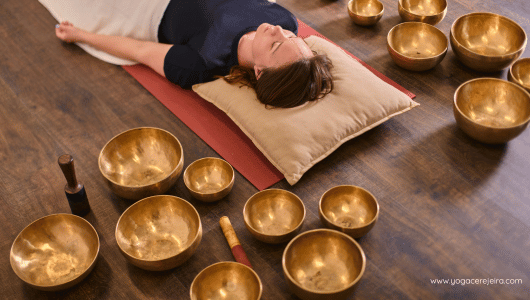
Sound bath
On Sunday, 19 April from 17:00 to 18:15, a soothing sound bath session will take place at Yogacerejeira. If you would like to participate, please click the button below.